
Bicester's #1 Body Transformation Centre
Discover Your Best Self with Personalised Nutrition, Fitness, Support In A Private Gym In Bicester
Motivation Isn’t Your Problem
Why motivation fades without systems — and what actually works instead
If motivation were the missing ingredient, most people wouldn’t be stuck.
They’d read the book.
Watch the video.
Have the talk with themselves.
And everything would click.
But that’s not what happens.
Most people do start motivated. They just can’t stay there.
And the reason has very little to do with willpower.
Motivation Is a Feeling. Feelings Are Unreliable.
Motivation is emotional energy.
It shows up when:
You’ve had a good day
The scale moved
You bought new kit
You feel hopeful again
And it disappears when:
Work overruns
Sleep suffers
Stress builds
Life gets busy
None of that means you’re weak. It means you’re human.
The mistake is building your entire fitness plan on a feeling that comes and goes.
Why Motivation Always Runs Out
Motivation fails when it’s asked to do the heavy lifting.
When there’s no structure underneath it, motivation has to:
Decide when you train
Decide what you eat
Decide how much effort is “enough”
Fight decision fatigue every single day
That’s exhausting.
Eventually, the brain does what it’s designed to do: conserve energy.
And when that happens, old habits win.
The Real Work Happens Outside the Gym
Most people train 3 hours a week.
That leaves roughly 165 hours where results are either reinforced or undone.
Those hours include:
Workdays
Commutes
Evenings
Social plans
Stressful moments
Poor sleep
Motivation doesn’t survive that environment on its own.
Systems do.
What a System Actually Looks Like
A system removes decision-making.
It answers questions before motivation is required.
For example:
Training happens on fixed days, not “when I feel like it”
Meals are flexible, but predictable
There’s a default response for busy weeks
Missed sessions don’t trigger guilt or quitting
Progress is tracked objectively, not emotionally
When systems are in place, motivation becomes a bonus — not a requirement.
Why “Trying Harder” Keeps Failing
Trying harder assumes the person is the problem.
In reality, most people are:
Overloaded
Under-recovered
Drowning in conflicting advice
Running plans designed for someone else’s life
Effort isn’t the missing piece.
Alignment is.
When inputs match your real schedule, energy, and responsibilities, consistency becomes far easier.
This Is Why People Think They’ve “Tried Everything”
They’ve tried:
Diets
Challenges
Routines
Workouts
Apps
What they haven’t had is a system designed around them.
So each attempt feels like another failure — when it’s actually another data point pointing to the same issue.
You’re Not Broken. Your Inputs Are.
Motivation isn’t the engine of progress.
It’s the spark.
The engine is structure:
Clear expectations
Simple rules
Coaching
Accountability
A plan that survives imperfect weeks
When those are present, progress continues even when motivation dips — which it always will.
Where We Come In
We don’t rely on hype or constant motivation.
We build systems that fit real lives, real schedules, and real people over 35.
If you want help figuring this out properly — without guessing, restarting, or blaming yourself — we walk people through it in a consultation.






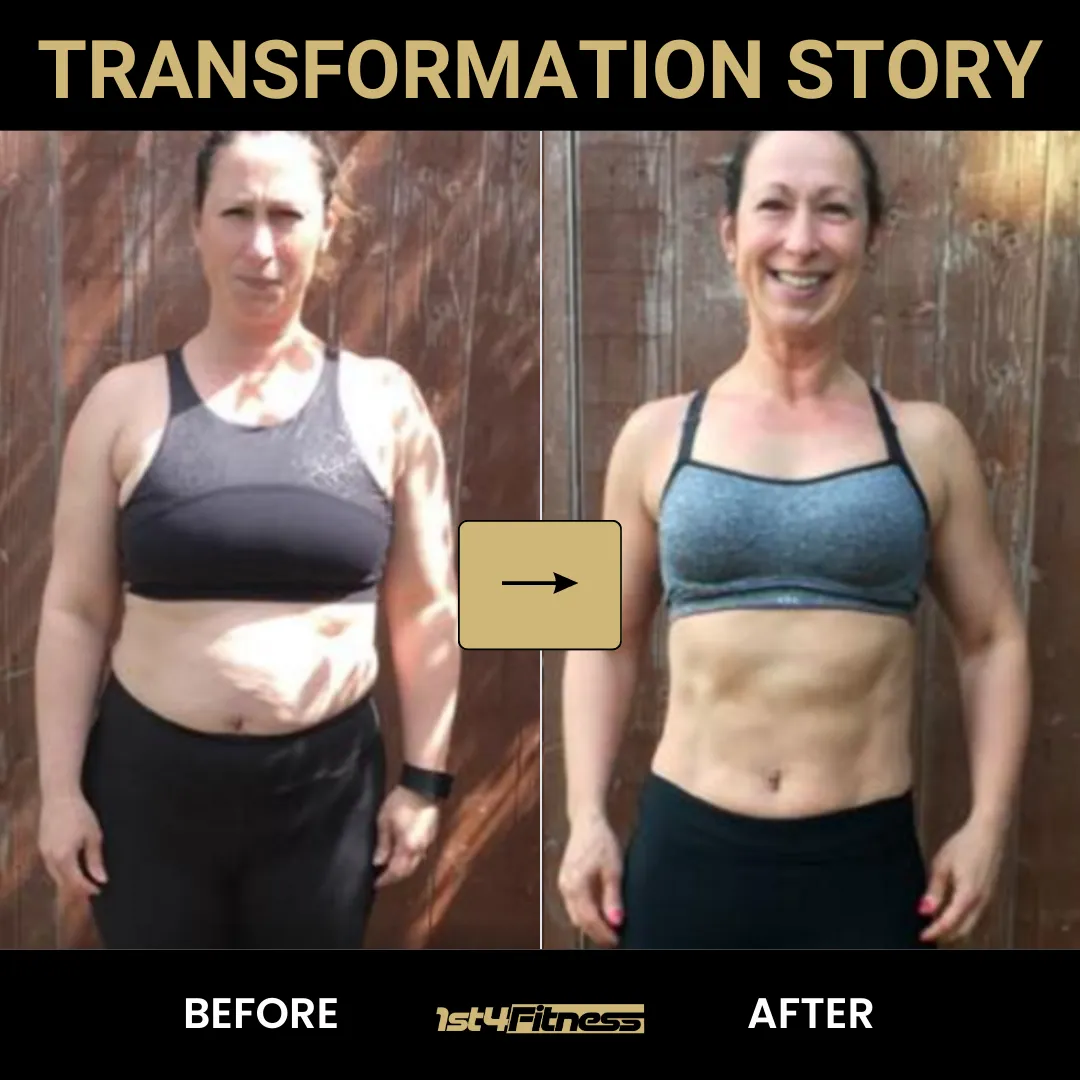
12 Month Transformation


Address: Unit A11 Telford Road, Bicester, OX26 4LD


Copyright 2026 | 1st4Fitness LTD | All Rights Reserved | Privacy Policy | Terms & Conditions